Buy smart-screens.com ?
We are moving the project
smart-screens.com .
Are you interested in purchasing the domain
smart-screens.com ?
domain@kv-gmbh.de · 0541-91531010
Buy smart-screens.com ?
How do I calculate refraction or the angle of refraction?
To calculate refraction or the angle of refraction, you can use Snell's Law, which relates the angles of incidence and refraction to the refractive indices of the two mediums involved. The formula is n1*sin(theta1) = n2*sin(theta2), where n1 and n2 are the refractive indices of the two mediums, and theta1 and theta2 are the angles of incidence and refraction, respectively. By rearranging this formula, you can solve for the angle of refraction when given the angle of incidence and refractive indices of the mediums. **
How do I calculate the refraction or the angle of refraction?
To calculate the angle of refraction, you can use Snell's Law, which states that the ratio of the sine of the angle of incidence to the sine of the angle of refraction is equal to the ratio of the velocities of light in the two different mediums. Mathematically, this can be expressed as n1*sin(theta1) = n2*sin(theta2), where n1 and n2 are the refractive indices of the two mediums, and theta1 and theta2 are the angles of incidence and refraction, respectively. By rearranging this equation, you can solve for the angle of refraction. **
Similar search terms for Refraction
Top-Angebote
Products related to Refraction:
-
MegaChef Immersion Circulation Precision Sous-Vide Cooker With Digital Touchscreen DisplayThe sous-vide immersion circulator cooker brings professional cooking techniques to your home. It offers complete control over the cooking process,unmatched by other cooking techniques.89,49 $*Shipping: 0,00 $Secure redirect to the provider
-
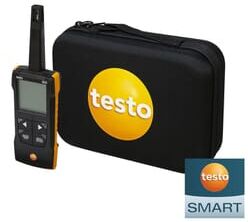
Testo 625 Digital Thermohygrometer – App ConnectedTesto 625 Digital Thermohygrometer with App Connection (0563 1625) The Testo 625 Digital Thermohygrometer is designed for quick, easy and precise measurement of air temperature and relative humidity. Well suited to assessing indoor air quality or maintaining optimal conditions in storage rooms, this compact device integrates with the Testo Smart App for enhanced functionality. The instrument automatically calculates dewpoint and wet bulb temperature, with time and point averages displayed instantly for quick assessment. Measurement data can be viewed as graphical curves within the app, saved, and managed alongside customer and site information, with reports emailed directly from the app. An audible alarm sounds if pre-set limit values are exceeded. Key Features & Benefits Precise M239,70 £*Shipping: 0,00 £Secure redirect to the provider
-
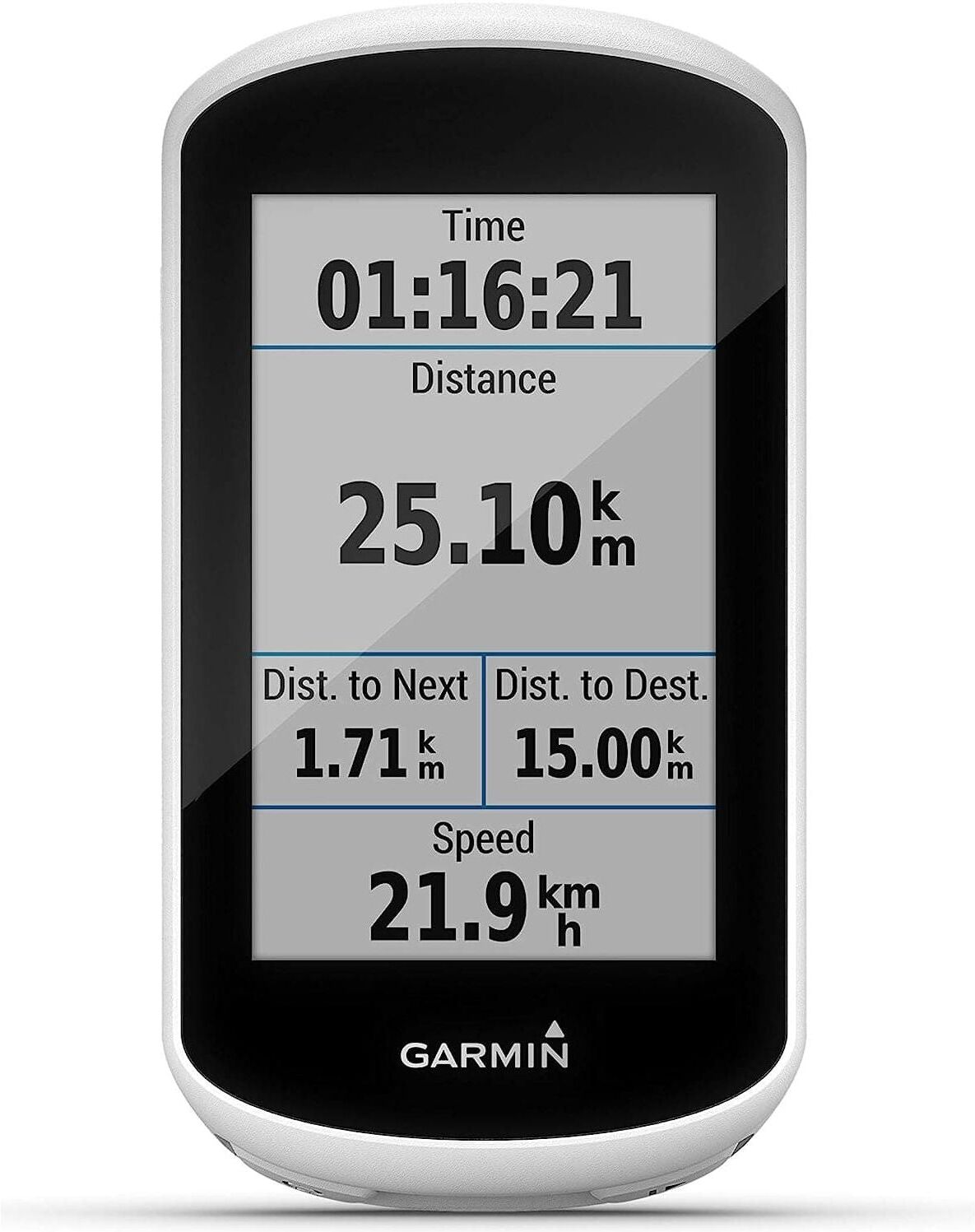
Garmin Edge Explore Touchscreen Touring Bike Computer with Connected Features, White, Used - Like NewOverview The Garmin Edge Explore Touchscreen Bike Computer is designed for cyclists who want simple navigation, smart connectivity, and reliable ride tracking. Featuring a large responsive touchscreen display , this GPS cycling computer provides easy route navigation, real-time ride data, and compatibility with a range of Garmin cycling accessories. Built for adventure and everyday riding, the Edge Explore offers turn-by-turn navigation, preloaded cycling maps, and extended battery life , helping riders explore new routes with confidence. Its intuitive interface and safety features make it an excellent companion for road cyclists, commuters, and touring enthusiasts. Key Features Large Touchscreen Display – Easy-to-read colour display with intuitive touch controls. GPS Cycling Computer – Accurate ride tracking including speed, distance, and route data. Preloaded Cycling Maps – Navigate confidently with detailed maps designed for cyclists. Turn-by-Turn Navigation – Follow routes with clear directions and on-screen prompts. Smart Notifications – Receive calls, messages, and app alerts when paired with a smartphone. Cycling Safety Features – Compatible with Garmin Varia radar and smart lights. Long Battery Life – Designed for extended rides and long cycling adventures. ANT+ and Bluetooth Connectivity – Pair with compatible sensors and accessories. Activity Tracking – Monitor ride statistics and performance data. Durable Outdoor Design – Built to handle various riding environments. Benefits The Garmin Edge Explore provides cyclists with an easy-to-use GPS navigation system designed specifically for cycling routes. With preloaded maps and turn-by-turn navigation, riders can confidently explore new areas without worrying about getting lost. The large touchscreen display makes it simple to view ride data, navigate routes, and access settings while riding. Smart connectivity features allow cyclists to stay connected with notifications and sync ride data with compatible apps for tracking progress. Compatibility with Garmin safety accessories such as radar and smart lights adds an extra layer of awareness on the road, making the Edge Explore an ideal companion for both recreational and serious cyclists. Specifications Specification Details Brand Garmin Model Edge Explore EAN / Barcode [Ean] Type GPS Bike Computer Display Colour Touchscreen Navigation Turn-by-Turn Navigation Maps Preloaded Cycling Maps Connectivity ANT+, Bluetooth Smart Features Smartphone Notifications Battery Life Up to 12 hours Compatibility Garmin Sensors & Varia Devices Water Rating IPX7 Dimensions Approx. 105 × 55 × 22 mm Weight Approx. 116 g Package Contents Garmin Edge Explore Bike Computer, Mounting Kit, USB Charging Cable199,00 £*Shipping: 0,00 £Secure redirect to the provider


-
What is the angle of refraction in the refraction of light?
The angle of refraction in the refraction of light is the angle between the refracted ray and the normal to the surface at the point of incidence. It is determined by Snell's Law, which states that the ratio of the sine of the angle of incidence to the sine of the angle of refraction is equal to the ratio of the velocities of light in the two media. The angle of refraction can be calculated using the formula: n1*sin(θ1) = n2*sin(θ2), where n1 and n2 are the refractive indices of the two media, and θ1 and θ2 are the angles of incidence and refraction, respectively. **
-
What is refraction in a prism?
Refraction in a prism is the bending of light as it passes through the prism due to the change in speed of light in different mediums. When light enters a prism, it slows down and bends towards the normal line, then as it exits the prism, it speeds up and bends away from the normal line. This bending of light causes the different colors of the spectrum to separate and create a rainbow effect. **
-
What is the law of refraction?
The law of refraction, also known as Snell's law, describes the relationship between the angles of incidence and refraction when a wave, such as light or sound, passes from one medium to another. It states that the ratio of the sine of the angle of incidence to the sine of the angle of refraction is equal to the ratio of the velocities of the wave in the two media. In other words, the law of refraction quantifies how much a wave bends as it passes from one medium to another, such as from air to water or from air to glass. **
-
How does the refraction of light occur?
Refraction of light occurs when light travels from one medium to another with a different optical density, causing the light rays to change direction. This change in direction is due to the difference in speed of light in the two mediums. As light enters a medium with a different optical density, it can either speed up or slow down, causing the light rays to bend. This bending of light is what we observe as refraction. **
How can one construct refraction of light?
One can construct refraction of light by passing light through a medium with a different optical density, such as air to water or glass. The change in optical density causes the light to change speed and bend as it enters the new medium, resulting in refraction. The angle of refraction can be calculated using Snell's Law, which relates the angles of incidence and refraction to the refractive indices of the two mediums. By understanding and manipulating these principles, one can effectively construct and demonstrate refraction of light. **
What is the lens equation for refraction?
The lens equation for refraction is given by: 1/f = (n2 - n1) * (1/R1 - 1/R2) Where: - f is the focal length of the lens - n1 and n2 are the refractive indices of the two media on either side of the lens - R1 and R2 are the radii of curvature of the two surfaces of the lens This equation relates the focal length of a lens to the refractive indices and radii of curvature, and is used to calculate the behavior of light as it passes through a lens. **
Top-Angebote
Products related to Refraction:
-
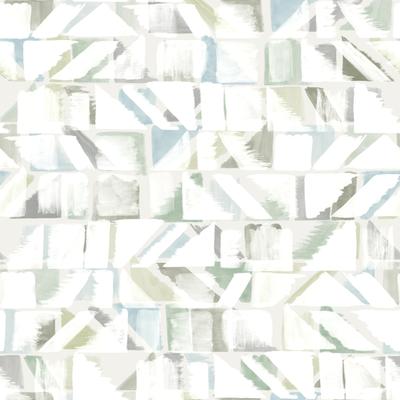
York Wallcoverings Blue Refraction Peel and Stick WallpaperPattern Refraction is a fractured geometric with the effect of a broken prism of reflected light. This Refraction Peel & Stick Wallpaper measures approximately 20.5 inches wide by 20 feet long, covering About 34.2 square feet per roll.47,07 $*Shipping: 0,00 $Secure redirect to the provider
-
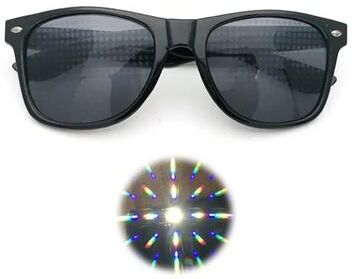
Quick Pick Pro Prism Effect Diffraction Glasses For Raves & Festivals Black Frame Rave Glasses With Light Refraction Lenses Prism Effect Diffraction Glasses For Raves & Festivals Black Frame Rave Glasses With Light Refraction LensesStep into a world where light becomes a living celebration. These Prism Effect diffraction glasses turn every laser, LED and stage light into vibrant, kaleidoscopic visuals that pull you deeper into the moment. Designed for music lovers, festival...41,97 $*Shipping: 0,00 $Secure redirect to the provider
-
MegaChef Immersion Circulation Precision Sous-Vide Cooker With Digital Touchscreen DisplayThe sous-vide immersion circulator cooker brings professional cooking techniques to your home. It offers complete control over the cooking process,unmatched by other cooking techniques.89,49 $*Shipping: 0,00 $Secure redirect to the provider
-
Testo 625 Digital Thermohygrometer – App ConnectedTesto 625 Digital Thermohygrometer with App Connection (0563 1625) The Testo 625 Digital Thermohygrometer is designed for quick, easy and precise measurement of air temperature and relative humidity. Well suited to assessing indoor air quality or maintaining optimal conditions in storage rooms, this compact device integrates with the Testo Smart App for enhanced functionality. The instrument automatically calculates dewpoint and wet bulb temperature, with time and point averages displayed instantly for quick assessment. Measurement data can be viewed as graphical curves within the app, saved, and managed alongside customer and site information, with reports emailed directly from the app. An audible alarm sounds if pre-set limit values are exceeded. Key Features & Benefits Precise M239,70 £*Shipping: 0,00 £Secure redirect to the provider
-
How do I calculate refraction or the angle of refraction?
To calculate refraction or the angle of refraction, you can use Snell's Law, which relates the angles of incidence and refraction to the refractive indices of the two mediums involved. The formula is n1*sin(theta1) = n2*sin(theta2), where n1 and n2 are the refractive indices of the two mediums, and theta1 and theta2 are the angles of incidence and refraction, respectively. By rearranging this formula, you can solve for the angle of refraction when given the angle of incidence and refractive indices of the mediums. **
-
How do I calculate the refraction or the angle of refraction?
To calculate the angle of refraction, you can use Snell's Law, which states that the ratio of the sine of the angle of incidence to the sine of the angle of refraction is equal to the ratio of the velocities of light in the two different mediums. Mathematically, this can be expressed as n1*sin(theta1) = n2*sin(theta2), where n1 and n2 are the refractive indices of the two mediums, and theta1 and theta2 are the angles of incidence and refraction, respectively. By rearranging this equation, you can solve for the angle of refraction. **
-
What is the angle of refraction in the refraction of light?
The angle of refraction in the refraction of light is the angle between the refracted ray and the normal to the surface at the point of incidence. It is determined by Snell's Law, which states that the ratio of the sine of the angle of incidence to the sine of the angle of refraction is equal to the ratio of the velocities of light in the two media. The angle of refraction can be calculated using the formula: n1*sin(θ1) = n2*sin(θ2), where n1 and n2 are the refractive indices of the two media, and θ1 and θ2 are the angles of incidence and refraction, respectively. **
-
What is refraction in a prism?
Refraction in a prism is the bending of light as it passes through the prism due to the change in speed of light in different mediums. When light enters a prism, it slows down and bends towards the normal line, then as it exits the prism, it speeds up and bends away from the normal line. This bending of light causes the different colors of the spectrum to separate and create a rainbow effect. **
Similar search terms for Refraction
-
Garmin Edge Explore Touchscreen Touring Bike Computer with Connected Features, White, Used - Like NewOverview The Garmin Edge Explore Touchscreen Bike Computer is designed for cyclists who want simple navigation, smart connectivity, and reliable ride tracking. Featuring a large responsive touchscreen display , this GPS cycling computer provides easy route navigation, real-time ride data, and compatibility with a range of Garmin cycling accessories. Built for adventure and everyday riding, the Edge Explore offers turn-by-turn navigation, preloaded cycling maps, and extended battery life , helping riders explore new routes with confidence. Its intuitive interface and safety features make it an excellent companion for road cyclists, commuters, and touring enthusiasts. Key Features Large Touchscreen Display – Easy-to-read colour display with intuitive touch controls. GPS Cycling Computer – Accurate ride tracking including speed, distance, and route data. Preloaded Cycling Maps – Navigate confidently with detailed maps designed for cyclists. Turn-by-Turn Navigation – Follow routes with clear directions and on-screen prompts. Smart Notifications – Receive calls, messages, and app alerts when paired with a smartphone. Cycling Safety Features – Compatible with Garmin Varia radar and smart lights. Long Battery Life – Designed for extended rides and long cycling adventures. ANT+ and Bluetooth Connectivity – Pair with compatible sensors and accessories. Activity Tracking – Monitor ride statistics and performance data. Durable Outdoor Design – Built to handle various riding environments. Benefits The Garmin Edge Explore provides cyclists with an easy-to-use GPS navigation system designed specifically for cycling routes. With preloaded maps and turn-by-turn navigation, riders can confidently explore new areas without worrying about getting lost. The large touchscreen display makes it simple to view ride data, navigate routes, and access settings while riding. Smart connectivity features allow cyclists to stay connected with notifications and sync ride data with compatible apps for tracking progress. Compatibility with Garmin safety accessories such as radar and smart lights adds an extra layer of awareness on the road, making the Edge Explore an ideal companion for both recreational and serious cyclists. Specifications Specification Details Brand Garmin Model Edge Explore EAN / Barcode [Ean] Type GPS Bike Computer Display Colour Touchscreen Navigation Turn-by-Turn Navigation Maps Preloaded Cycling Maps Connectivity ANT+, Bluetooth Smart Features Smartphone Notifications Battery Life Up to 12 hours Compatibility Garmin Sensors & Varia Devices Water Rating IPX7 Dimensions Approx. 105 × 55 × 22 mm Weight Approx. 116 g Package Contents Garmin Edge Explore Bike Computer, Mounting Kit, USB Charging Cable199,00 £*Shipping: 0,00 £Secure redirect to the provider
-
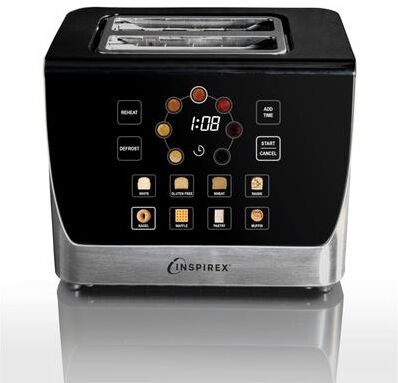
Inspirex Interactive Touchscreen Automatic ToasterWith the Inspirex Touchscreen Toaster, perfection is at your fingertips. Toast your favorite type of bread, bagel, English muffin, or pastry, perfectly crispy on the outside while keeping the inside moist and delicious.99,99 $*Shipping: 0,00 $Secure redirect to the provider
-
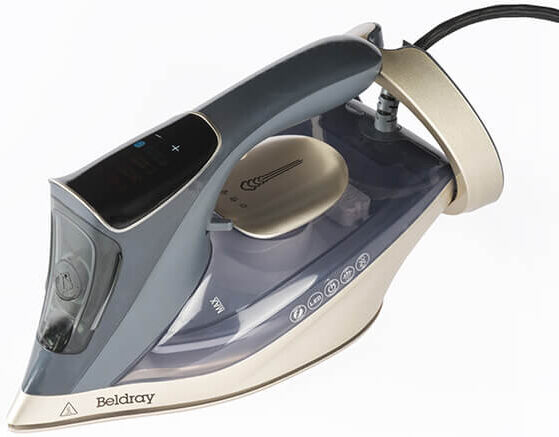
Beldray Digital LED Touchscreen Steam IronTake the guesswork out of ironing with the Beldray Digital LED Touchscreen Steam Iron. Designed for precision and ease of use, this advanced steam iron combines powerful performance with intuitive digital controls, helping you achieve smooth, crease‑free results across a wide range of fabrics. Powered by an impressive 3200W, the iron heats quickly and delivers consistent steam through a smooth ceramic soleplate that glides effortlessly over garments. The digital LED touchscreen features four preset fabric heat modes, allowing you to select the correct temperature with confidence and reduce the risk of scorching delicate items. For added reassurance, the iron includes an auto shut‑off function along with self‑clean, anti‑calc and anti‑drip features to support long‑lasting performance and protect clothing from water marks. A generous 380ml water tank, filled easily using the included measuring cup, allows longer ironing sessions with fewer refills. Finished with a 3‑metre power cord for extended reach, this steam iron offers flexibility, control and modern convenience. Supplied with a manufacturer’s 1‑year guarantee. Power: 3200W. Water Tank Capacity: 380ml. Cord Length: 3m. Dimensions: 30(L) x 15.2(W) x 13(H) cm.34,99 £*Shipping: 3,50 £Secure redirect to the provider
-
What is the law of refraction?
The law of refraction, also known as Snell's law, describes the relationship between the angles of incidence and refraction when a wave, such as light or sound, passes from one medium to another. It states that the ratio of the sine of the angle of incidence to the sine of the angle of refraction is equal to the ratio of the velocities of the wave in the two media. In other words, the law of refraction quantifies how much a wave bends as it passes from one medium to another, such as from air to water or from air to glass. **
-
How does the refraction of light occur?
Refraction of light occurs when light travels from one medium to another with a different optical density, causing the light rays to change direction. This change in direction is due to the difference in speed of light in the two mediums. As light enters a medium with a different optical density, it can either speed up or slow down, causing the light rays to bend. This bending of light is what we observe as refraction. **
-
How can one construct refraction of light?
One can construct refraction of light by passing light through a medium with a different optical density, such as air to water or glass. The change in optical density causes the light to change speed and bend as it enters the new medium, resulting in refraction. The angle of refraction can be calculated using Snell's Law, which relates the angles of incidence and refraction to the refractive indices of the two mediums. By understanding and manipulating these principles, one can effectively construct and demonstrate refraction of light. **
-
What is the lens equation for refraction?
The lens equation for refraction is given by: 1/f = (n2 - n1) * (1/R1 - 1/R2) Where: - f is the focal length of the lens - n1 and n2 are the refractive indices of the two media on either side of the lens - R1 and R2 are the radii of curvature of the two surfaces of the lens This equation relates the focal length of a lens to the refractive indices and radii of curvature, and is used to calculate the behavior of light as it passes through a lens. **
* All prices are inclusive of VAT and, if applicable, plus shipping costs. The offer information is based on the details provided by the respective shop and is updated through automated processes. Real-time updates do not occur, so deviations can occur in individual cases. ** Note: Parts of this content were created by AI.