Buy smart-screens.com ?
We are moving the project
smart-screens.com .
Are you interested in purchasing the domain
smart-screens.com ?
domain@kv-gmbh.de · 0541-91531010
Buy smart-screens.com ?
Is the Arduino I2C display broken?
To determine if the Arduino I2C display is broken, you can try troubleshooting steps such as checking the connections, ensuring the correct code is uploaded to the Arduino, and testing the display with a different Arduino or I2C device. If the display still does not work after these steps, it may be broken and in need of replacement. Additionally, checking for any physical damage or loose connections on the display itself can also help determine if it is broken. **
How can I control the Maxi Pure I2C Display?
To control the Maxi Pure I2C Display, you can use an Arduino or other microcontroller with I2C communication capabilities. You will need to connect the display to the microcontroller using the I2C protocol and then use the appropriate library or code to send commands and data to the display. This will allow you to control what is displayed on the Maxi Pure I2C Display, such as text, numbers, and graphics. Additionally, you can adjust the brightness and contrast of the display to suit your needs. **

Similar search terms for I2C
Top-Angebote
Products related to I2C:
-
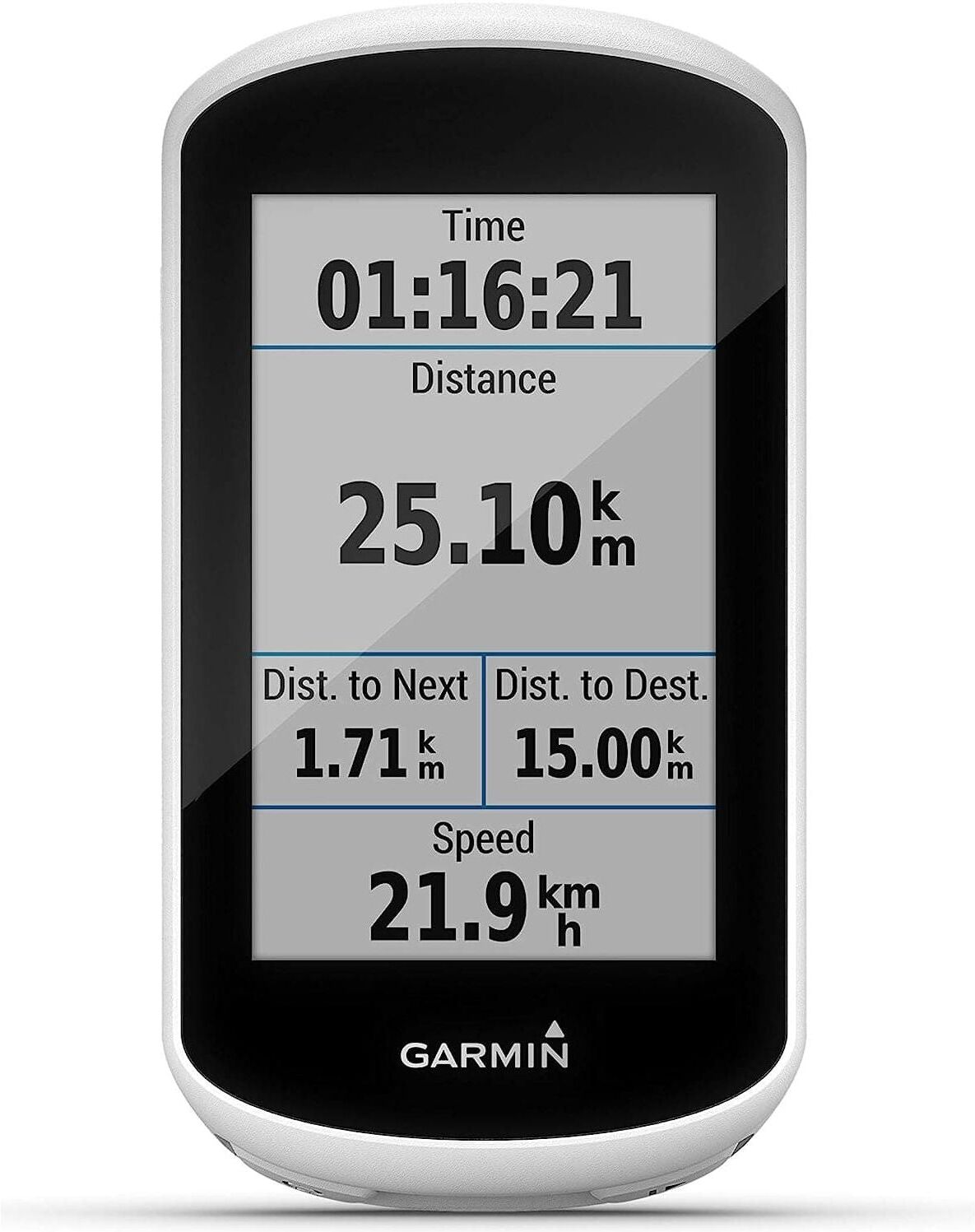
Garmin Edge Explore Touchscreen Touring Bike Computer with Connected Features, White, Used - Like NewOverview The Garmin Edge Explore Touchscreen Bike Computer is designed for cyclists who want simple navigation, smart connectivity, and reliable ride tracking. Featuring a large responsive touchscreen display , this GPS cycling computer provides easy route navigation, real-time ride data, and compatibility with a range of Garmin cycling accessories. Built for adventure and everyday riding, the Edge Explore offers turn-by-turn navigation, preloaded cycling maps, and extended battery life , helping riders explore new routes with confidence. Its intuitive interface and safety features make it an excellent companion for road cyclists, commuters, and touring enthusiasts. Key Features Large Touchscreen Display – Easy-to-read colour display with intuitive touch controls. GPS Cycling Computer – Accurate ride tracking including speed, distance, and route data. Preloaded Cycling Maps – Navigate confidently with detailed maps designed for cyclists. Turn-by-Turn Navigation – Follow routes with clear directions and on-screen prompts. Smart Notifications – Receive calls, messages, and app alerts when paired with a smartphone. Cycling Safety Features – Compatible with Garmin Varia radar and smart lights. Long Battery Life – Designed for extended rides and long cycling adventures. ANT+ and Bluetooth Connectivity – Pair with compatible sensors and accessories. Activity Tracking – Monitor ride statistics and performance data. Durable Outdoor Design – Built to handle various riding environments. Benefits The Garmin Edge Explore provides cyclists with an easy-to-use GPS navigation system designed specifically for cycling routes. With preloaded maps and turn-by-turn navigation, riders can confidently explore new areas without worrying about getting lost. The large touchscreen display makes it simple to view ride data, navigate routes, and access settings while riding. Smart connectivity features allow cyclists to stay connected with notifications and sync ride data with compatible apps for tracking progress. Compatibility with Garmin safety accessories such as radar and smart lights adds an extra layer of awareness on the road, making the Edge Explore an ideal companion for both recreational and serious cyclists. Specifications Specification Details Brand Garmin Model Edge Explore EAN / Barcode [Ean] Type GPS Bike Computer Display Colour Touchscreen Navigation Turn-by-Turn Navigation Maps Preloaded Cycling Maps Connectivity ANT+, Bluetooth Smart Features Smartphone Notifications Battery Life Up to 12 hours Compatibility Garmin Sensors & Varia Devices Water Rating IPX7 Dimensions Approx. 105 × 55 × 22 mm Weight Approx. 116 g Package Contents Garmin Edge Explore Bike Computer, Mounting Kit, USB Charging Cable199,00 £*Shipping: 0,00 £Secure redirect to the provider
-
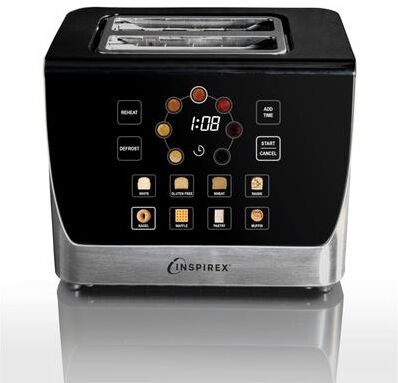
Inspirex Interactive Touchscreen Automatic ToasterWith the Inspirex Touchscreen Toaster, perfection is at your fingertips. Toast your favorite type of bread, bagel, English muffin, or pastry, perfectly crispy on the outside while keeping the inside moist and delicious.99,99 $*Shipping: 0,00 $Secure redirect to the provider
-
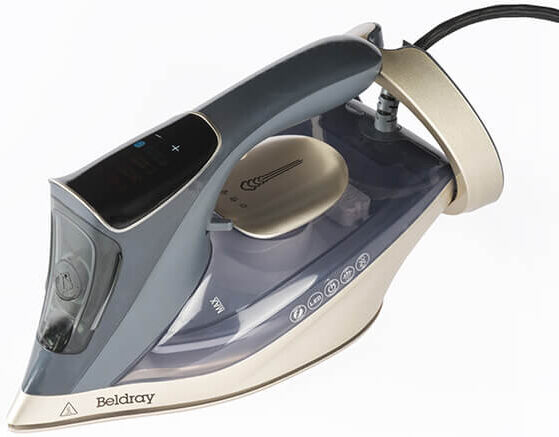
Beldray Digital LED Touchscreen Steam IronTake the guesswork out of ironing with the Beldray Digital LED Touchscreen Steam Iron. Designed for precision and ease of use, this advanced steam iron combines powerful performance with intuitive digital controls, helping you achieve smooth, crease‑free results across a wide range of fabrics. Powered by an impressive 3200W, the iron heats quickly and delivers consistent steam through a smooth ceramic soleplate that glides effortlessly over garments. The digital LED touchscreen features four preset fabric heat modes, allowing you to select the correct temperature with confidence and reduce the risk of scorching delicate items. For added reassurance, the iron includes an auto shut‑off function along with self‑clean, anti‑calc and anti‑drip features to support long‑lasting performance and protect clothing from water marks. A generous 380ml water tank, filled easily using the included measuring cup, allows longer ironing sessions with fewer refills. Finished with a 3‑metre power cord for extended reach, this steam iron offers flexibility, control and modern convenience. Supplied with a manufacturer’s 1‑year guarantee. Power: 3200W. Water Tank Capacity: 380ml. Cord Length: 3m. Dimensions: 30(L) x 15.2(W) x 13(H) cm.34,99 £*Shipping: 3,50 £Secure redirect to the provider

-
What is an I2C bus?
An I2C bus, also known as Inter-Integrated Circuit, is a serial communication bus used to connect multiple integrated circuits together. It allows multiple devices to communicate with each other using only two wires - a clock line (SCL) and a data line (SDA). The I2C bus is commonly used in embedded systems, sensors, and other electronic devices to enable communication between different components. It is a popular choice due to its simplicity, flexibility, and ability to connect multiple devices on the same bus. **
-
How can I use an I2C OLED display with an Arduino?
To use an I2C OLED display with an Arduino, you will need to connect the display to the Arduino using the I2C protocol. First, you will need to connect the SDA and SCL pins of the OLED display to the corresponding pins on the Arduino (A4 and A5 for most Arduino boards). Then, you will need to install the appropriate library for the OLED display in the Arduino IDE. Once the library is installed, you can use the provided example code to initialize the display and start sending text or graphics to it. Finally, upload the code to the Arduino and you should see the output on the OLED display. **
-
What is an Arduino LCD I2C?
An Arduino LCD I2C is a type of liquid crystal display (LCD) that can be easily interfaced with an Arduino microcontroller using the I2C communication protocol. The I2C interface allows for a simpler and more efficient way to connect the LCD to the Arduino, requiring fewer wires and pins. This type of LCD module typically comes with a small circuit board that includes an I2C serial interface adapter, making it easier to connect and use with an Arduino. **
-
How do I program the ATtiny85 via I2C with an LCD display?
To program the ATtiny85 via I2C with an LCD display, you will need to use a programmer such as the Arduino Uno. First, upload the I2C communication code to the ATtiny85 using the Arduino Uno as a programmer. Then, connect the ATtiny85 to the LCD display using the I2C protocol. Finally, write your program to send data to the LCD display through the I2C communication. Make sure to set the correct I2C address for the LCD display in your code. **

What are the problems with the Arduino microcontroller and the I2C LCD display?
The Arduino microcontroller and the I2C LCD display can have several potential problems. One common issue is incorrect wiring, which can lead to the display not working properly. Another problem is compatibility issues between the Arduino and the I2C LCD display, which can result in the display not being recognized or not functioning as expected. Additionally, there may be issues with the code, such as incorrect library usage or syntax errors, which can cause the display to not show the desired output. Troubleshooting these problems often requires careful inspection of the hardware connections and thorough debugging of the code. **
What are the differences between SPI and I2C?
SPI (Serial Peripheral Interface) and I2C (Inter-Integrated Circuit) are both serial communication protocols used to connect microcontrollers and peripheral devices. However, there are several differences between the two. One key difference is the number of wires used for communication. SPI typically uses four wires (MISO, MOSI, SCK, and SS) for communication, while I2C uses only two wires (SDA and SCL). Another difference is the maximum number of devices that can be connected to the bus. SPI supports multiple devices in a master-slave configuration, while I2C can support multiple devices in a multi-master configuration. Additionally, the data transfer rate is typically faster in SPI compared to I2C. SPI can achieve higher data transfer rates, making it suitable for applications that require high-speed communication. **
Top-Angebote
Products related to I2C:
-
MegaChef Immersion Circulation Precision Sous-Vide Cooker With Digital Touchscreen DisplayThe sous-vide immersion circulator cooker brings professional cooking techniques to your home. It offers complete control over the cooking process,unmatched by other cooking techniques.89,49 $*Shipping: 0,00 $Secure redirect to the provider
-
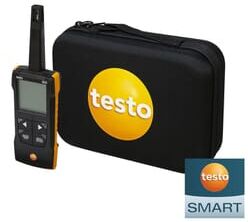
Testo 625 Digital Thermohygrometer – App ConnectedTesto 625 Digital Thermohygrometer with App Connection (0563 1625) The Testo 625 Digital Thermohygrometer is designed for quick, easy and precise measurement of air temperature and relative humidity. Well suited to assessing indoor air quality or maintaining optimal conditions in storage rooms, this compact device integrates with the Testo Smart App for enhanced functionality. The instrument automatically calculates dewpoint and wet bulb temperature, with time and point averages displayed instantly for quick assessment. Measurement data can be viewed as graphical curves within the app, saved, and managed alongside customer and site information, with reports emailed directly from the app. An audible alarm sounds if pre-set limit values are exceeded. Key Features & Benefits Precise M239,70 £*Shipping: 0,00 £Secure redirect to the provider
-
Garmin Edge Explore Touchscreen Touring Bike Computer with Connected Features, White, Used - Like NewOverview The Garmin Edge Explore Touchscreen Bike Computer is designed for cyclists who want simple navigation, smart connectivity, and reliable ride tracking. Featuring a large responsive touchscreen display , this GPS cycling computer provides easy route navigation, real-time ride data, and compatibility with a range of Garmin cycling accessories. Built for adventure and everyday riding, the Edge Explore offers turn-by-turn navigation, preloaded cycling maps, and extended battery life , helping riders explore new routes with confidence. Its intuitive interface and safety features make it an excellent companion for road cyclists, commuters, and touring enthusiasts. Key Features Large Touchscreen Display – Easy-to-read colour display with intuitive touch controls. GPS Cycling Computer – Accurate ride tracking including speed, distance, and route data. Preloaded Cycling Maps – Navigate confidently with detailed maps designed for cyclists. Turn-by-Turn Navigation – Follow routes with clear directions and on-screen prompts. Smart Notifications – Receive calls, messages, and app alerts when paired with a smartphone. Cycling Safety Features – Compatible with Garmin Varia radar and smart lights. Long Battery Life – Designed for extended rides and long cycling adventures. ANT+ and Bluetooth Connectivity – Pair with compatible sensors and accessories. Activity Tracking – Monitor ride statistics and performance data. Durable Outdoor Design – Built to handle various riding environments. Benefits The Garmin Edge Explore provides cyclists with an easy-to-use GPS navigation system designed specifically for cycling routes. With preloaded maps and turn-by-turn navigation, riders can confidently explore new areas without worrying about getting lost. The large touchscreen display makes it simple to view ride data, navigate routes, and access settings while riding. Smart connectivity features allow cyclists to stay connected with notifications and sync ride data with compatible apps for tracking progress. Compatibility with Garmin safety accessories such as radar and smart lights adds an extra layer of awareness on the road, making the Edge Explore an ideal companion for both recreational and serious cyclists. Specifications Specification Details Brand Garmin Model Edge Explore EAN / Barcode [Ean] Type GPS Bike Computer Display Colour Touchscreen Navigation Turn-by-Turn Navigation Maps Preloaded Cycling Maps Connectivity ANT+, Bluetooth Smart Features Smartphone Notifications Battery Life Up to 12 hours Compatibility Garmin Sensors & Varia Devices Water Rating IPX7 Dimensions Approx. 105 × 55 × 22 mm Weight Approx. 116 g Package Contents Garmin Edge Explore Bike Computer, Mounting Kit, USB Charging Cable199,00 £*Shipping: 0,00 £Secure redirect to the provider
-
Inspirex Interactive Touchscreen Automatic ToasterWith the Inspirex Touchscreen Toaster, perfection is at your fingertips. Toast your favorite type of bread, bagel, English muffin, or pastry, perfectly crispy on the outside while keeping the inside moist and delicious.99,99 $*Shipping: 0,00 $Secure redirect to the provider
-
Is the Arduino I2C display broken?
To determine if the Arduino I2C display is broken, you can try troubleshooting steps such as checking the connections, ensuring the correct code is uploaded to the Arduino, and testing the display with a different Arduino or I2C device. If the display still does not work after these steps, it may be broken and in need of replacement. Additionally, checking for any physical damage or loose connections on the display itself can also help determine if it is broken. **
-
How can I control the Maxi Pure I2C Display?
To control the Maxi Pure I2C Display, you can use an Arduino or other microcontroller with I2C communication capabilities. You will need to connect the display to the microcontroller using the I2C protocol and then use the appropriate library or code to send commands and data to the display. This will allow you to control what is displayed on the Maxi Pure I2C Display, such as text, numbers, and graphics. Additionally, you can adjust the brightness and contrast of the display to suit your needs. **
-
What is an I2C bus?
An I2C bus, also known as Inter-Integrated Circuit, is a serial communication bus used to connect multiple integrated circuits together. It allows multiple devices to communicate with each other using only two wires - a clock line (SCL) and a data line (SDA). The I2C bus is commonly used in embedded systems, sensors, and other electronic devices to enable communication between different components. It is a popular choice due to its simplicity, flexibility, and ability to connect multiple devices on the same bus. **
-
How can I use an I2C OLED display with an Arduino?
To use an I2C OLED display with an Arduino, you will need to connect the display to the Arduino using the I2C protocol. First, you will need to connect the SDA and SCL pins of the OLED display to the corresponding pins on the Arduino (A4 and A5 for most Arduino boards). Then, you will need to install the appropriate library for the OLED display in the Arduino IDE. Once the library is installed, you can use the provided example code to initialize the display and start sending text or graphics to it. Finally, upload the code to the Arduino and you should see the output on the OLED display. **
Similar search terms for I2C
-
Beldray Digital LED Touchscreen Steam IronTake the guesswork out of ironing with the Beldray Digital LED Touchscreen Steam Iron. Designed for precision and ease of use, this advanced steam iron combines powerful performance with intuitive digital controls, helping you achieve smooth, crease‑free results across a wide range of fabrics. Powered by an impressive 3200W, the iron heats quickly and delivers consistent steam through a smooth ceramic soleplate that glides effortlessly over garments. The digital LED touchscreen features four preset fabric heat modes, allowing you to select the correct temperature with confidence and reduce the risk of scorching delicate items. For added reassurance, the iron includes an auto shut‑off function along with self‑clean, anti‑calc and anti‑drip features to support long‑lasting performance and protect clothing from water marks. A generous 380ml water tank, filled easily using the included measuring cup, allows longer ironing sessions with fewer refills. Finished with a 3‑metre power cord for extended reach, this steam iron offers flexibility, control and modern convenience. Supplied with a manufacturer’s 1‑year guarantee. Power: 3200W. Water Tank Capacity: 380ml. Cord Length: 3m. Dimensions: 30(L) x 15.2(W) x 13(H) cm.34,99 £*Shipping: 3,50 £Secure redirect to the provider
-
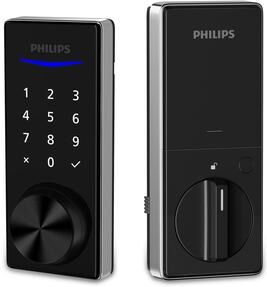
Philips Touchscreen Smart Deadbolt Door LockChoose the unlock method that fits your lifestyle in the moment you arrive home. You can choose from unlocking with PIN codes or keys, or just unlock the door with a gentle touch of your Philips Home Access app on your smartphone.137,99 $*Shipping: 0,00 $Secure redirect to the provider
-
Philips Touchscreen Smart Deadbolt Door LockChoose the unlock method that fits your lifestyle in the moment you arrive home. You can choose from unlocking with PIN codes or keys, or just unlock the door with a gentle touch of your Philips Home Access app on your smartphone.137,99 $*Shipping: 0,00 $Secure redirect to the provider
-
What is an Arduino LCD I2C?
An Arduino LCD I2C is a type of liquid crystal display (LCD) that can be easily interfaced with an Arduino microcontroller using the I2C communication protocol. The I2C interface allows for a simpler and more efficient way to connect the LCD to the Arduino, requiring fewer wires and pins. This type of LCD module typically comes with a small circuit board that includes an I2C serial interface adapter, making it easier to connect and use with an Arduino. **
-
How do I program the ATtiny85 via I2C with an LCD display?
To program the ATtiny85 via I2C with an LCD display, you will need to use a programmer such as the Arduino Uno. First, upload the I2C communication code to the ATtiny85 using the Arduino Uno as a programmer. Then, connect the ATtiny85 to the LCD display using the I2C protocol. Finally, write your program to send data to the LCD display through the I2C communication. Make sure to set the correct I2C address for the LCD display in your code. **
-
What are the problems with the Arduino microcontroller and the I2C LCD display?
The Arduino microcontroller and the I2C LCD display can have several potential problems. One common issue is incorrect wiring, which can lead to the display not working properly. Another problem is compatibility issues between the Arduino and the I2C LCD display, which can result in the display not being recognized or not functioning as expected. Additionally, there may be issues with the code, such as incorrect library usage or syntax errors, which can cause the display to not show the desired output. Troubleshooting these problems often requires careful inspection of the hardware connections and thorough debugging of the code. **
-
What are the differences between SPI and I2C?
SPI (Serial Peripheral Interface) and I2C (Inter-Integrated Circuit) are both serial communication protocols used to connect microcontrollers and peripheral devices. However, there are several differences between the two. One key difference is the number of wires used for communication. SPI typically uses four wires (MISO, MOSI, SCK, and SS) for communication, while I2C uses only two wires (SDA and SCL). Another difference is the maximum number of devices that can be connected to the bus. SPI supports multiple devices in a master-slave configuration, while I2C can support multiple devices in a multi-master configuration. Additionally, the data transfer rate is typically faster in SPI compared to I2C. SPI can achieve higher data transfer rates, making it suitable for applications that require high-speed communication. **
* All prices are inclusive of VAT and, if applicable, plus shipping costs. The offer information is based on the details provided by the respective shop and is updated through automated processes. Real-time updates do not occur, so deviations can occur in individual cases. ** Note: Parts of this content were created by AI.