Buy smart-screens.com ?
We are moving the project
smart-screens.com .
Are you interested in purchasing the domain
smart-screens.com ?
domain@kv-gmbh.de · 0541-91531010
Buy smart-screens.com ?
What are raw materials, auxiliary materials, or operating materials?
Raw materials are the basic materials used in the production of goods. They are typically natural resources such as wood, metal, or agricultural products. Auxiliary materials are used to support the production process, such as lubricants, cleaning agents, or packaging materials. Operating materials are the supplies and tools used in the day-to-day operations of a business, such as office supplies, maintenance tools, or safety equipment. These materials are essential for the production and operation of goods and services. **
How does 4D printing affect modern smart materials, such as shape memory materials and stimulus-responsive materials, in the space-time continuum?
4D printing enhances the capabilities of smart materials by allowing them to change shape and properties in response to external stimuli over time. This advancement enables shape memory materials to have more complex and precise transformations, while stimulus-responsive materials can exhibit more dynamic and programmable behaviors. By integrating 4D printing with these smart materials, researchers can create innovative designs that adapt and respond to changing environmental conditions in the space-time continuum, opening up new possibilities for applications in various industries such as aerospace, healthcare, and robotics. **


Similar search terms for Materials
Top-Angebote
Products related to Materials:
-
MegaChef Immersion Circulation Precision Sous-Vide Cooker With Digital Touchscreen DisplayThe sous-vide immersion circulator cooker brings professional cooking techniques to your home. It offers complete control over the cooking process,unmatched by other cooking techniques.89,49 $*Shipping: 0,00 $Secure redirect to the provider
-
Aurora Eco Nation 8" Plush Lamb - Eco-Friendly Materials - 20cm - KidsCrafted with care, this lovable lamb is made from recycled plastics and natural materials, embodying our commitment to a sustainable future. Key Features: Eco-Friendly Materials: The plush exterior and fibre fill are crafted from recycled plastics, reducing plastic waste. Embroidered Eyes: Charming embroidered eyes combine safety and eco-consciousness. No plastic beans are used, making it even more environmentally friendly. Generous Size: Measuring 20cm, it's perfect for hugs and companionship. Lovable Lamb Design: The adorable lamb design appeals to all ages.13,79 £*Shipping: 3,95 £Secure redirect to the provider



-
How does 4D printing affect modern smart materials, such as shape memory materials and stimuli-responsive materials, in the space-time continuum?
4D printing has a significant impact on modern smart materials in the space-time continuum. With 4D printing, smart materials such as shape memory materials and stimuli-responsive materials can be programmed to change their shape, properties, or functionality over time in response to external stimuli. This means that these materials can adapt and respond to their environment, making them more dynamic and versatile. In the space-time continuum, 4D printing allows for the creation of materials that can self-assemble or reconfigure themselves in real-time, opening up new possibilities for applications in various fields such as aerospace, medicine, and architecture. **
-
Can someone explain the terms reserve materials, building materials, and operating materials?
Reserve materials are items kept in stock for future use, typically for emergencies or unexpected situations. Building materials are used in the construction or renovation of structures, such as wood, concrete, and steel. Operating materials are supplies necessary for the day-to-day functioning of a business or organization, like office supplies, cleaning products, and maintenance tools. Each term refers to specific types of materials needed for different purposes within a given context. **
-
What is the difference between building materials, operating materials, and supplementary materials?
Building materials are used in the construction of a structure, such as wood, concrete, steel, and bricks. Operating materials are items used to maintain and operate a building, like cleaning supplies, light bulbs, and HVAC filters. Supplementary materials are additional items that may not be essential for the structure but can enhance its functionality or aesthetics, such as decorative finishes, landscaping materials, or furniture. **
-
What is the difference between building materials, operating materials, and auxiliary materials?
Building materials are used in the construction of a structure, such as bricks, concrete, and steel. Operating materials are items used in the day-to-day operations of a building, like cleaning supplies, office supplies, and maintenance tools. Auxiliary materials are additional items that support the functioning of a building, such as lighting fixtures, plumbing fixtures, and HVAC systems. Each type of material serves a specific purpose in the construction and maintenance of a building. **

What is the difference between raw materials, operating materials, and auxiliary materials?
Raw materials are the basic materials used in the production of goods, such as wood, metal, or oil. Operating materials are the materials used in the day-to-day operations of a business, such as office supplies, cleaning supplies, or packaging materials. Auxiliary materials are materials that support the production process but are not directly used in the final product, such as lubricants, solvents, or maintenance supplies. Each type of material plays a different role in the production and operation of a business. **
What is the difference between raw materials, auxiliary materials, operating materials, and goods?
Raw materials are the basic materials used in the production of goods, such as wood for furniture or steel for cars. Auxiliary materials are used to support the production process but do not become part of the final product, like lubricants or cleaning agents. Operating materials are items necessary for the day-to-day functioning of a business, such as office supplies or maintenance tools. Goods are the final products that are produced and sold to customers, such as furniture or cars. **
Top-Angebote
Products related to Materials:
-
ZURU Transformers: Generation One - Model Kit 10cm Optimus Prime - 10cm - High-Quality Materials - Display-ReadyCompact 10 cm model kit of Optimus Prime with poseability, ion blaster, and two interchangeable hand pairs for display and collection.12,49 £*Shipping: 3,95 £Secure redirect to the provider
-
Elk Home Sceptre Black Natural Materials Ornamental AccessoryELK Home offer depth and breadth across a myriad of home furnishing categories with design styles ranging from updated traditional to soft modern. www.elkhome.com. A division of ELK Group International39,50 $*Shipping: 0,00 $Secure redirect to the provider
-
What are raw materials, auxiliary materials, or operating materials?
Raw materials are the basic materials used in the production of goods. They are typically natural resources such as wood, metal, or agricultural products. Auxiliary materials are used to support the production process, such as lubricants, cleaning agents, or packaging materials. Operating materials are the supplies and tools used in the day-to-day operations of a business, such as office supplies, maintenance tools, or safety equipment. These materials are essential for the production and operation of goods and services. **
-
How does 4D printing affect modern smart materials, such as shape memory materials and stimulus-responsive materials, in the space-time continuum?
4D printing enhances the capabilities of smart materials by allowing them to change shape and properties in response to external stimuli over time. This advancement enables shape memory materials to have more complex and precise transformations, while stimulus-responsive materials can exhibit more dynamic and programmable behaviors. By integrating 4D printing with these smart materials, researchers can create innovative designs that adapt and respond to changing environmental conditions in the space-time continuum, opening up new possibilities for applications in various industries such as aerospace, healthcare, and robotics. **
-
How does 4D printing affect modern smart materials, such as shape memory materials and stimuli-responsive materials, in the space-time continuum?
4D printing has a significant impact on modern smart materials in the space-time continuum. With 4D printing, smart materials such as shape memory materials and stimuli-responsive materials can be programmed to change their shape, properties, or functionality over time in response to external stimuli. This means that these materials can adapt and respond to their environment, making them more dynamic and versatile. In the space-time continuum, 4D printing allows for the creation of materials that can self-assemble or reconfigure themselves in real-time, opening up new possibilities for applications in various fields such as aerospace, medicine, and architecture. **
-
Can someone explain the terms reserve materials, building materials, and operating materials?
Reserve materials are items kept in stock for future use, typically for emergencies or unexpected situations. Building materials are used in the construction or renovation of structures, such as wood, concrete, and steel. Operating materials are supplies necessary for the day-to-day functioning of a business or organization, like office supplies, cleaning products, and maintenance tools. Each term refers to specific types of materials needed for different purposes within a given context. **
Similar search terms for Materials
-
MegaChef Immersion Circulation Precision Sous-Vide Cooker With Digital Touchscreen DisplayThe sous-vide immersion circulator cooker brings professional cooking techniques to your home. It offers complete control over the cooking process,unmatched by other cooking techniques.89,49 $*Shipping: 0,00 $Secure redirect to the provider
-
Aurora Eco Nation 8" Plush Lamb - Eco-Friendly Materials - 20cm - KidsCrafted with care, this lovable lamb is made from recycled plastics and natural materials, embodying our commitment to a sustainable future. Key Features: Eco-Friendly Materials: The plush exterior and fibre fill are crafted from recycled plastics, reducing plastic waste. Embroidered Eyes: Charming embroidered eyes combine safety and eco-consciousness. No plastic beans are used, making it even more environmentally friendly. Generous Size: Measuring 20cm, it's perfect for hugs and companionship. Lovable Lamb Design: The adorable lamb design appeals to all ages.13,79 £*Shipping: 3,95 £Secure redirect to the provider
-
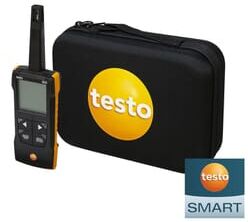
Testo 625 Digital Thermohygrometer – App ConnectedTesto 625 Digital Thermohygrometer with App Connection (0563 1625) The Testo 625 Digital Thermohygrometer is designed for quick, easy and precise measurement of air temperature and relative humidity. Well suited to assessing indoor air quality or maintaining optimal conditions in storage rooms, this compact device integrates with the Testo Smart App for enhanced functionality. The instrument automatically calculates dewpoint and wet bulb temperature, with time and point averages displayed instantly for quick assessment. Measurement data can be viewed as graphical curves within the app, saved, and managed alongside customer and site information, with reports emailed directly from the app. An audible alarm sounds if pre-set limit values are exceeded. Key Features & Benefits Precise M239,70 £*Shipping: 0,00 £Secure redirect to the provider
-
17 Stories Chindi Renova, recycled materials Rug Black Rectangular 80 x 150cmThe hand -woven chindi "Ashram" rug is a stylish and unique accessory for any room. Made from recycled cotton scraps woven into an elaborate pattern, this rug adds a touch of rustic charm to your home. The colours range from dark brown to various shades of blue and green to vibrant red tones. Each rug is unique due to its handmade character and can vary slightly in size and colour. The "Ashram" rug is not only beautiful to look at, but also hard -wearing and easy to clean. It is easy to clean, making it perfect for busy areas such as living rooms, corridors or offices. The Ashram Chindi rug is a timeless piece that adds warmth and cosiness to your home and is a sustainable choice for environmentally conscious buyers. Brand Name: 17 Stories. Rug Size: Rectangular 80 x 150cm, Colour: Black79,99 £*Shipping: 0,00 £Secure redirect to the provider
-
What is the difference between building materials, operating materials, and supplementary materials?
Building materials are used in the construction of a structure, such as wood, concrete, steel, and bricks. Operating materials are items used to maintain and operate a building, like cleaning supplies, light bulbs, and HVAC filters. Supplementary materials are additional items that may not be essential for the structure but can enhance its functionality or aesthetics, such as decorative finishes, landscaping materials, or furniture. **
-
What is the difference between building materials, operating materials, and auxiliary materials?
Building materials are used in the construction of a structure, such as bricks, concrete, and steel. Operating materials are items used in the day-to-day operations of a building, like cleaning supplies, office supplies, and maintenance tools. Auxiliary materials are additional items that support the functioning of a building, such as lighting fixtures, plumbing fixtures, and HVAC systems. Each type of material serves a specific purpose in the construction and maintenance of a building. **
-
What is the difference between raw materials, operating materials, and auxiliary materials?
Raw materials are the basic materials used in the production of goods, such as wood, metal, or oil. Operating materials are the materials used in the day-to-day operations of a business, such as office supplies, cleaning supplies, or packaging materials. Auxiliary materials are materials that support the production process but are not directly used in the final product, such as lubricants, solvents, or maintenance supplies. Each type of material plays a different role in the production and operation of a business. **
-
What is the difference between raw materials, auxiliary materials, operating materials, and goods?
Raw materials are the basic materials used in the production of goods, such as wood for furniture or steel for cars. Auxiliary materials are used to support the production process but do not become part of the final product, like lubricants or cleaning agents. Operating materials are items necessary for the day-to-day functioning of a business, such as office supplies or maintenance tools. Goods are the final products that are produced and sold to customers, such as furniture or cars. **
* All prices are inclusive of VAT and, if applicable, plus shipping costs. The offer information is based on the details provided by the respective shop and is updated through automated processes. Real-time updates do not occur, so deviations can occur in individual cases. ** Note: Parts of this content were created by AI.